Water Damage Restoration Monroe, NC
24/7 water damage restoration in Monroe, NC. The restoration team extracts standing water, dries the structure and the crawl space to the IICRC S500 standard and documents every step for your insurance claim.
(888) 578-4720Water still spreading? Call the Monroe crew now
What to do while the water is still moving
- No. 1Shut off the water at the main valve.
- No. 2Cut power to wet rooms at the breaker, only if the panel is dry.
- No. 3Stay out of standing water near outlets and cords.
- No. 4Photograph everything before moving anything.
- No. 5Lift rugs and valuables, then call for extraction.
Drywall and subfloor start wicking water within hours, and mold can begin growing inside 24 to 48 hours, so the first day decides how much gets saved.
Water Damage Restoration Services in Monroe, NC
Water and sewage only, from emergency extraction to structural drying, for homes and businesses across Monroe and Union County.
 Water ExtractionTruck-mounted extraction pulls standing water out before it wicks into walls and subfloor.See Water Extraction
 Crawl Space Water DamageWater ponded over Union County clay under the house, pumped out and dried from below.See Crawl Space Water Damage
 Burst Pipe CleanupFailed supply lines in older Monroe homes, extracted and dried inside every wet cavity.See Burst Pipe Cleanup
 Frozen Pipe Water DamageWinter cold snaps split lines in vented crawl spaces and outside walls.See Frozen Pipe Water Damage
 Tropical Storm Flood CleanupStorm-remnant rain and creek overflow treated as contaminated water from the start.See Tropical Storm Flood Cleanup
 Roof Leak Water DamageWind-driven rain through shingles and flashing, dried from the attic decking down.See Roof Leak Water Damage
 Ceiling Leak Water DamageUpstairs bath and plumbing leaks that sag drywall and reach light fixtures.See Ceiling Leak Water Damage
 Water Heater Leak CleanupTank and fitting failures in garages, closets and utility rooms, dried to readings.See Water Heater Leak Cleanup
 Appliance Leak CleanupWasher, dishwasher, fridge and ice-maker lines that soak cabinets and floors.See Appliance Leak Cleanup
 HVAC Condensate Leak CleanupClogged drains and sweating ducts in attics and crawl spaces during humid summers.See HVAC Condensate Leak Cleanup
 Hardwood Floor Water DamageOak and heart pine floors dried flat with panel systems before cupping sets in.See Hardwood Floor Water Damage
 Structural DryingFraming, subfloor and wall cavities dried to the IICRC S500 goal, logged daily.See Structural Drying
 Sewage Backup CleanupCategory 3 backups contained, removed and treated with EPA-registered antimicrobial.See Sewage Backup Cleanup
 Commercial Water DamageDowntown storefronts, offices and plants along the US 74 corridor, dried in phases.See Commercial Water Damage
How a water loss is handled
- 1
Moisture mapping
The tech who does the walkthrough maps wet materials with pinless meters and thermal imaging before any equipment goes down.
- 2
Extraction
The extraction crew pulls standing water with truck-mounted units so it leaves the building instead of moving to the next room.
- 3
Air movers and LGR
The drying team sets air movers to each room's evaporation load and LGR dehumidifiers to pull that water back out of the air.
- 4
Readings to dry
Readings are taken daily, and equipment comes out only when wet materials sit within 2 to 4 points of a dry reference.
Water damage dried to the IICRC S500 standard
Structural drying, not just surface drying: the drying team dries framing, subfloor and wall cavities, not only what the eye can see.
- Day 1: extract and set up
Water out, moisture map drawn, air movers and dehumidifiers placed.
- Days 2 to 3: daily readings
The drying team logs readings and moves equipment as areas dry.
- Days 3 to 5: most contained losses dry
A Class 1 or 2 loss usually reaches the goal in this window.
- Longer for dense materials
Hardwood, plaster and wet crawl spaces take more days, and desiccants may join the LGR units.
The drying goal
Equipment stays until the readings say dry, not until it looks dry. The goal is wet materials within 2 to 4 points of a dry reference material in the same building.
All water damage categories covered in Monroe, NC
Category 1, clean water
Supply lines, water heaters, ice-maker lines. Extracted and dried in place when drying starts early.
Category 2, gray water
Washers, dishwashers, AC pans. Soaked pad and porous materials are usually removed and surfaces cleaned.
Category 3, black water
Sewage and storm floodwater. Contained, porous materials removed, EPA-registered antimicrobial applied.
Sewage backup cleanupWhat does water damage restoration cost in Monroe, NC?
In Monroe, NC, water damage restoration typically runs $500 to $8,000 or more, depending on the water category (clean, gray or black), how many square feet got wet, the material class, whether the crawl space needs drying and how fast drying started.
Contained leak
- One room, clean water
- Extraction and air movers
- Three to five days of drying
Several rooms or the crawl space
- Wall cavity and subfloor drying
- Insulation or pad removal
- Daily moisture readings
Storm water or sewage
- Category 3 removal
- Antimicrobial treatment
- Extended structural drying
Run the water damage cost calculator for a closer planning range. The drivers are always the same: category, square footage, material class and how fast drying started.
Documentation for your insurance claim
A water claim is decided on the file. The restoration team builds that file from the first reading, so the adjuster sees what was wet, how it was dried and when it reached the goal.
Sudden and accidental discharge, like a burst supply line, is treated differently from rising storm water, which usually falls under flood coverage.
Coverage depends on your policy, so it is worth checking with your own insurer before work beyond emergency mitigation begins.
What the claim file contains
- A moisture map from day one
- Daily psychrometric logs and material readings
- Timestamped photos before any demolition
- The category and class of the loss
- An equipment record and a line-item scope
What a water damage dry-out looks like in Monroe
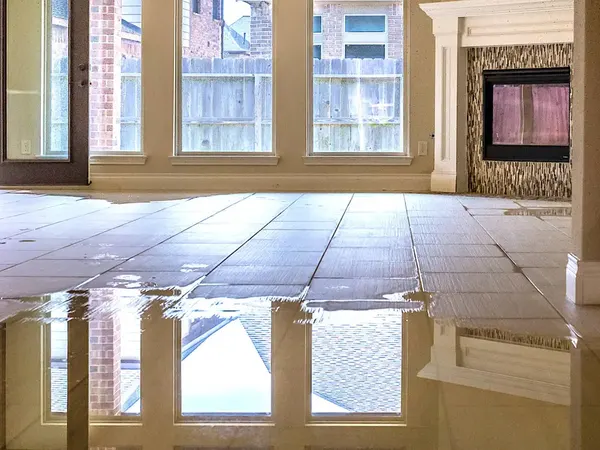
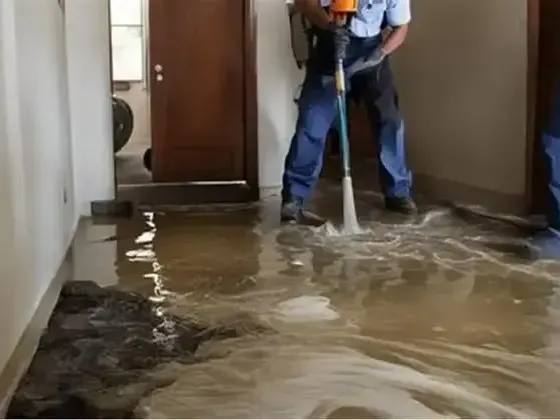
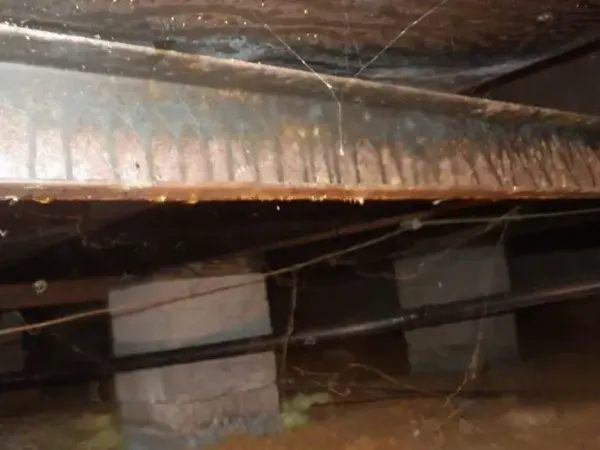
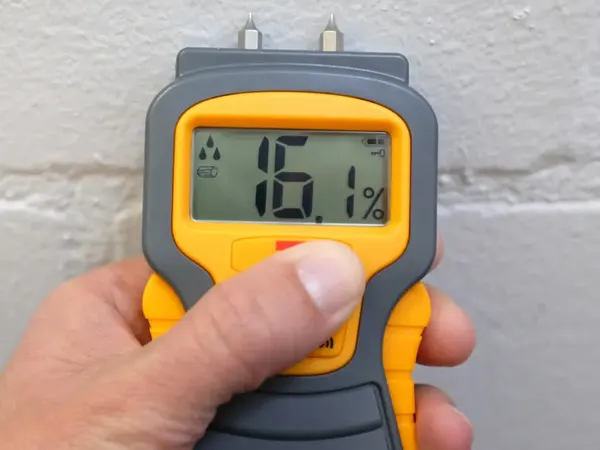
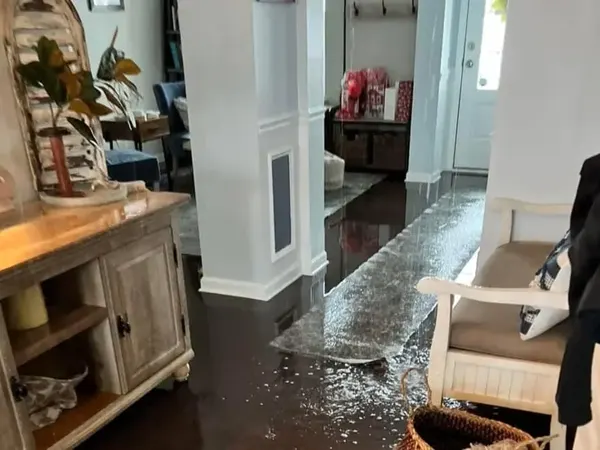
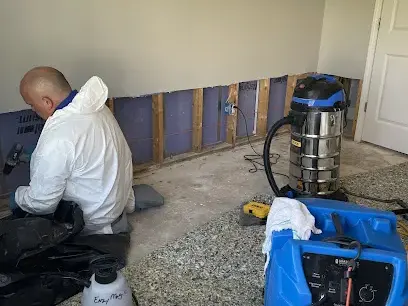
Water damage restoration across Monroe and Union County
One call reaches Monroe water damage pros, 24/7
Monroe water damage pros answer around the clock, weekends and holidays included, and dispatch the extraction crew with the equipment the loss needs.
Monroe, NC · Union County
Describe the damage to a Monroe pro Find us on GoogleMonroe, city of
- Downtown Monroe and the historic district
- The Roosevelt Boulevard and US 74 corridor
- North Monroe toward Lake Twitty
- South Monroe and the 28112 side
East Union County
- Wingate
- Marshville
- Unionville
- Fairview
West and south Union County
- Indian Trail
- Stallings
- Hemby Bridge
- Lake Park
- Mineral Springs
- Waxhaw
- Wesley Chapel
- Weddington
Water damage in Monroe, NC: the local risk profile
Monroe's water losses follow its housing, its soil and its storm season.
- Vented crawl spaces over Carolina Slate Belt clay hold runoff and leaks under the house.
- Tropical storm remnants from August to October push Richardson Creek and Bearskin Creek over their banks.
- Galvanized lines near downtown and 1978 to 1995 polybutylene in older subdivisions fail at joints and fittings.
- A few hard freezes each winter split pipes in crawl spaces and outside walls.
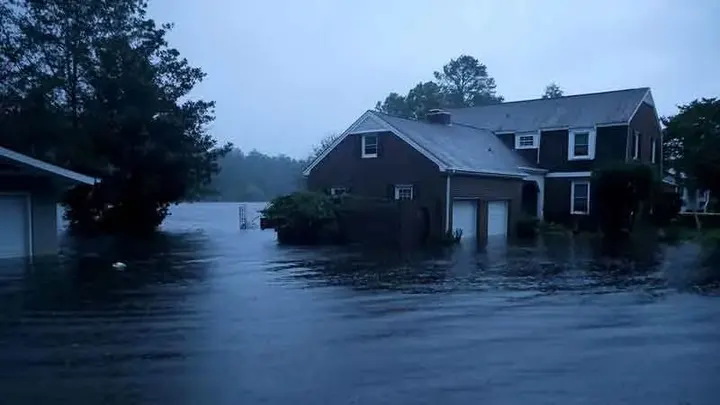
Monroe water damage questions, answered
How fast should water damage be dealt with in Monroe?
Treat it as urgent. Drywall and subfloor start wicking water within hours, and in a humid Carolina summer mold can begin growing on wet materials inside 24 to 48 hours. The restoration team answers around the clock across Union County so extraction can start as early as possible.
What should I do first when water is coming in?
Shut off the water at the main, cut power to wet rooms at the breaker if the panel is dry, stay out of standing water near outlets, photograph the damage before moving anything and lift rugs and valuables off the floor. Then call.
Is water damage covered by homeowners insurance?
Sudden and accidental discharges, like a burst supply line or a failed water heater, are commonly covered. Rising surface water from a storm usually falls under flood insurance instead, and sewer backup often needs its own endorsement. Coverage depends on your policy, so check with your own insurer.
Why do so many Monroe homes get crawl space water?
Most homes around Monroe sit on vented crawl spaces over the heavy clay of the Carolina Slate Belt. Clay drains slowly, so storm runoff and plumbing leaks pond under the house instead of soaking away.
How long does it take to dry a house after a leak?
A contained Class 1 or 2 loss usually dries in three to five days. Hardwood floors, plaster walls and wet crawl spaces take longer. Equipment leaves when readings reach the drying goal, not on a set date.
What is the IICRC S500?
The IICRC S500 is the industry standard for professional water damage restoration. It sets out how water losses are inspected, categorized, extracted, dried and verified as dry with moisture readings.
Does wet drywall always have to be cut out?
No. Drywall wet with clean water and dried quickly can often stay. Drywall touched by sewage or floodwater, or that swelled or stayed wet too long, is removed, usually as a straight flood cut.
Why is sewage backup treated differently?
Sewage is Category 3 water the moment it happens. Porous materials it touched are removed rather than dried, and the area is contained, cleaned and treated with an EPA-registered antimicrobial before drying.
How is the cost of water damage restoration worked out?
The main drivers are the water category, the square footage that got wet, the material class, whether the crawl space needs drying and how fast drying started. The cost calculator gives a typical range for Monroe.
What is the difference between mitigation and repair?
Mitigation stops the damage: extraction, removal of materials that cannot be saved and structural drying. Repair, such as new drywall, paint and flooring, comes after the structure is confirmed dry.
Water in your Monroe home? Call before it reaches the subfloor.
The Monroe restoration crew answers 24/7, extracts the water and dries to the IICRC S500 goal across Union County.
(888) 578-4720Start the Monroe dry-out nowMonroe NC Water Damage Restoration
Monroe, NC · Union County
Open 24 hours, every day of the year
Find us on Google